
Building a Climate-Resilient SME: Where Should You Invest First?
- Published on Aug 18, 2026
- Read Time 5 mins
-

Each year, heatwaves in India last longer than the last. Peak power demand has also hit record highs of 250 GW. Business-as-usual expenses are getting costlier. Building a climate-resilient SME is the only way to stop heatwaves, floods, and grid failures from eating into your margins.
Overly hot factory floors will affect your workers’ productivity, and idle machines during power cuts will drop your margins. The idea is to switch from reactive spending to proactive, profit-protecting investments. And don’t make the mistake of thinking that climate resilience means changing all operations at once. Simply start investing in the vulnerabilities that cost your SME the most money right now.
Why is Climate Resilience Necessary for Indian Businesses?
The Indian economy loses billions annually due to climate-related disruptions. A small factory or mid-size warehouse can experience a 15-20% drop in worker productivity and increased machinery wear and tear in a single week of 48°C temperatures. In this case, resilience means future-proofing your operations so that the external environment doesn’t dictate your internal success.
Step 1: Be Energy Independent via Rooftop Solar
The first place to put your capital is into your own power generation systems. Commercial electricity tariffs in states like Maharashtra and Gujarat are among the highest for small businesses. Moreover, you’ll be forced to rely on diesel generators if the grid fails during a heatwave.
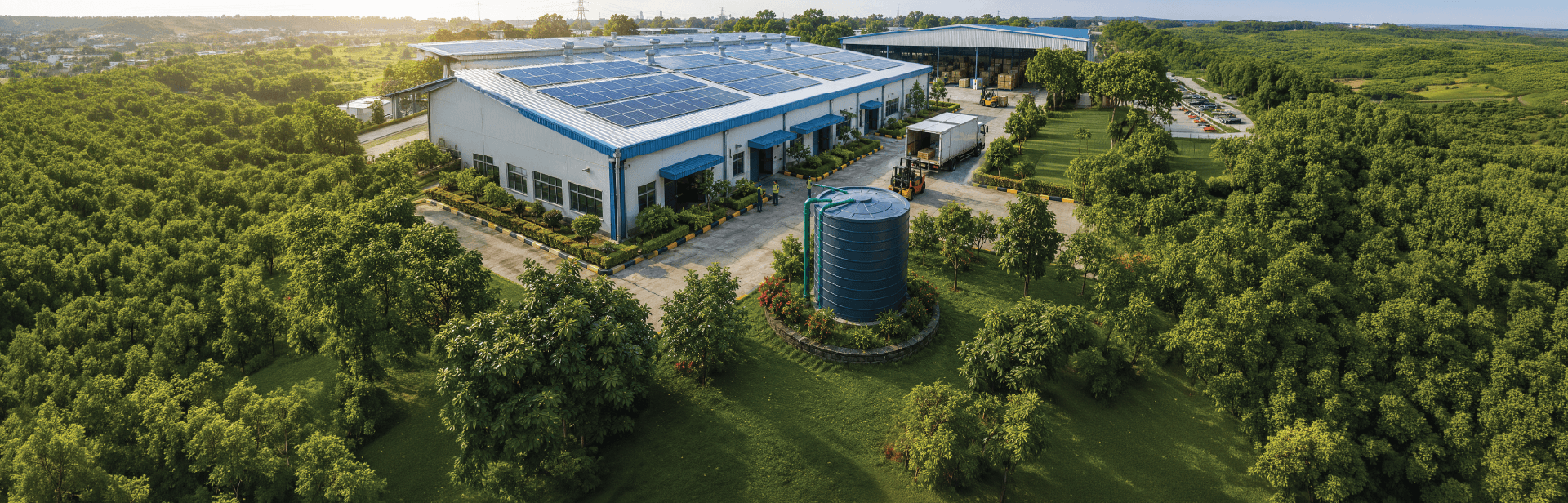
Ask yourself: Can you afford to keep paying 3x the price for backup power? Investing in commercial rooftop solar can help you avoid this and save on electricity costs for the next 25 years. The latest advancements in mono-PERC panels allow even smaller roof spaces to generate high wattage that can result in a full ROI within 3-4 years.
Running a diesel generator during a power cut can cost up to 3-4 times more per unit of electricity than grid power. A commercial rooftop solar setup effectively eliminates this premium by paying for itself in just 3-4 years.
Step 2: Invest in High-Efficiency Cooling and BLDC Technology
You must optimize how you use this renewable power. For context, there’s no real need for a massive central AC overhaul to see results. Switching to brushless DC (BLDC) fans in warehouses and on factory floors can reduce energy consumption by around 60% compared to traditional induction fans. Even better, updating to BEE 5-star-rated industrial chillers or HVAC systems will guarantee that your machines don’t overheat when the temperature rises.
NBFCs like Ecofy offer low-interest and digital-first green loans for MSMEs. This quick availability of green finance will significantly improve your access to energy-efficient equipment (EEE) and drop your operational expenses permanently.
Step 3: Water Security and Circularity
NITI Aayog has warned of acute water stress in 21 major Indian cities. This puts SMEs in water-intensive sectors such as textiles and food processing at great risk. Investing in basic on-site water recycling plants or rainwater harvesting systems will keep your production line running when municipal water supplies are lacking.
Fund Your MSME Climate Resilience Plan Without Breaking the Bank
Best of all, you don’t need to use your operating cash flow for these system upgrades. The ease of accessing green finance in India means you can get specialised solar loans, including energy-efficient and EV loans.
Look for climate-focused financing from NBFCs that rarely require heavy collateral. These green loans will be structured around the utility savings your MSME generates. What’s best is that the equipment practically pays for itself through reduced bills and keeps your working capital free for growth.
FAQs
Which green investment gives the fastest ROI for an Indian SME?
Commercial rooftop solar is generally the winner, offering a payback period of 3-4 years while providing free electricity for 20+ years thereafter.
How do green loans differ from regular business loans?
Green loans, like those from Ecofy, are specifically designed for sustainable assets. They often feature faster processing, lower documentation hurdles for EV or solar assets, and repayment terms aligned with the asset's energy-saving profile.