



How Solar Rooftop Loans are Powering Indian Homes (Switch to Clean Energy for Higher Savings)
The Cash Flow Trick: A typical rooftop solar system pays for itself within 4 to 5 years. However, because a rooftop solar loan spreads the installation cost over flexible tenures, the monthly reduction in your electricity bill is often greater than or equal to your loan EMI.
Read More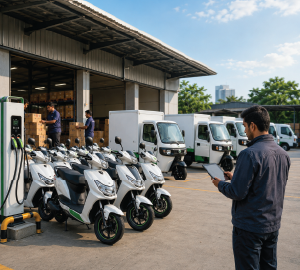
Electric Vehicle (EV) Fleet Management: Lessons from Businesses That Already Switched from Fuel-to-Electric
Let’s be honest. If you run a logistics or e-commerce transport business in India, you’ve considered EVs. However, the high monthly diesel or petrol bills, along with the fear of missed delivery windows and drivers getting stranded, made you rethink swapping out your entire delivery fleet for EVs.
Read More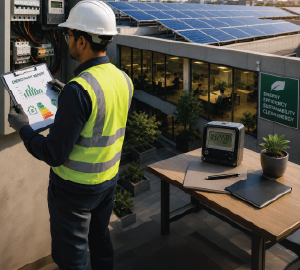
Energy Audit for Small Businesses: The First Step Before Investing in Solar
Many Indian MSMEs consider rooftop solar as great security against increasing commercial electricity tariffs. However, rushing to install a solar plant without first conducting a professional energy audit is like buying a larger AC for a room with open windows.
Read More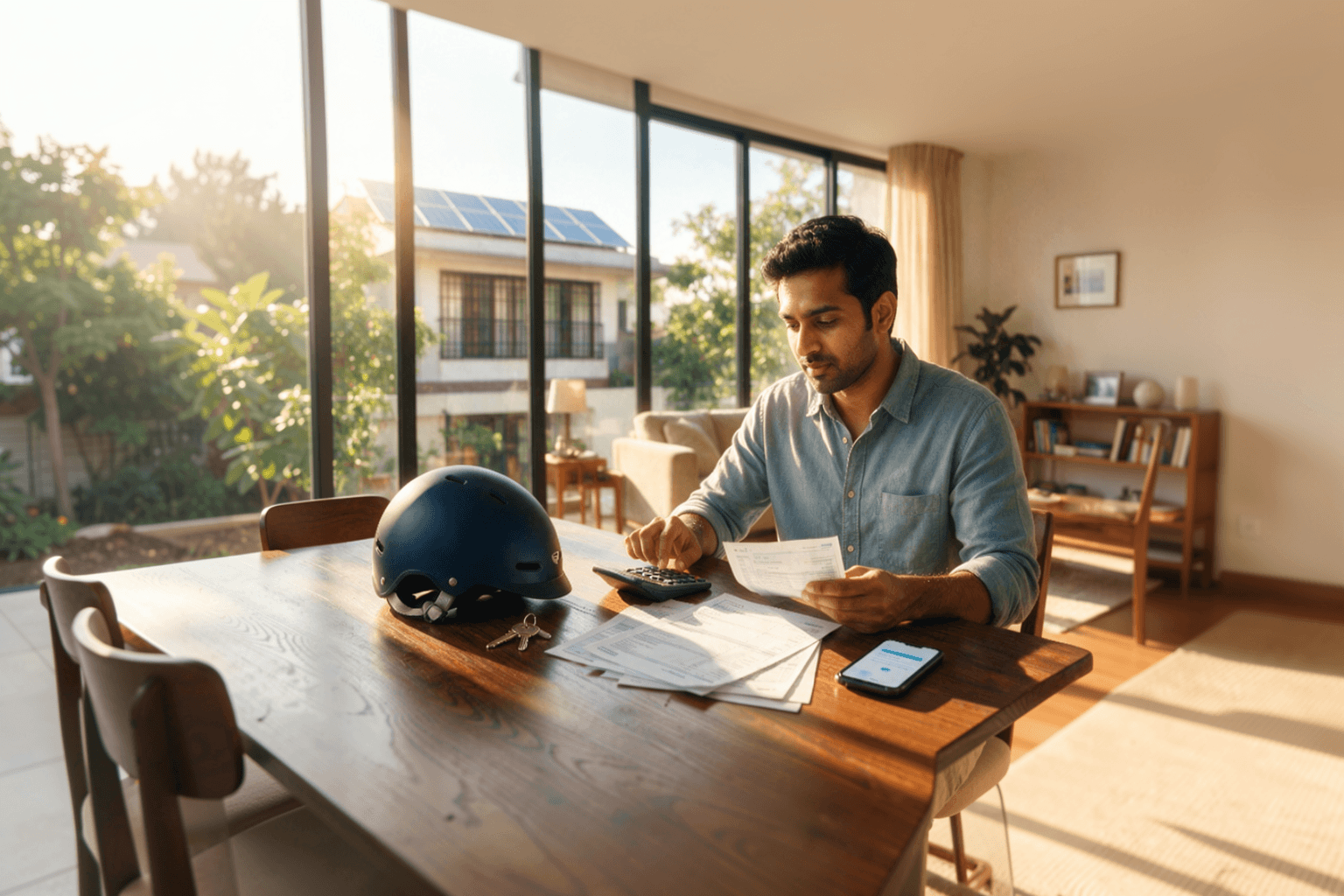
The Real Difference Between “Eligible” and “Affordable” Loans (With Traps to Avoid)
Here’s the deal. Eligibility is about the bank’s risk, but affordability is about your monthly income situation.
Read More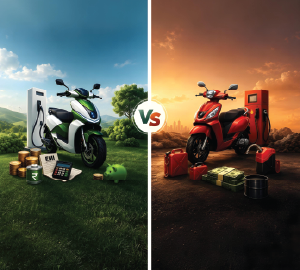
Simple Comparison of EV-2W Running Cost vs Petrol Scooter Cost
Most people compare electric and petrol 2-wheelers based on showroom prices. But the actual cost shows up after you start riding daily. An EV-2W may cost more upfront, but its daily running cost is usually much lower because electricity is cheaper per kilometre than petrol.
Read More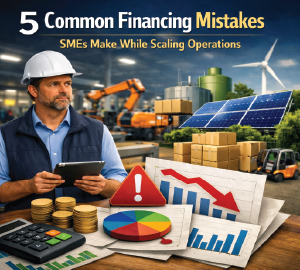
5 Common Financing Mistakes SMEs Make While Scaling Operations
Scaling business operations is more about financing things in the right order and less about acquiring more money. The number of SME owners who assume that growth solves financial problems is alarming. In reality, growth often creates new ones.
Read More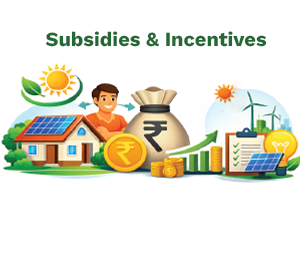
Understanding Subsidies & Incentives for Rooftop Solar in India
What was once a niche, green luxury upgrade reserved for luxury villas and massive factories has now become an affordable choice for many Indians. Solar rooftop setups have in fact become one of the few home improvements where the government helps reduce your upfront investment. How your monthly electricity bills start dropping and eventually cover the initial costs is even better.
Read More
Green Finance Safety Guide: What to Do After a Phishing Attack
A scam doesn’t always begin with someone “stealing” your money directly. It starts with access. In many cases, the first hour decides whether the damage stays limited or snowballs into account takeovers, multiple authorized loans, SIM swaps, and long-term credit score damage.
Read More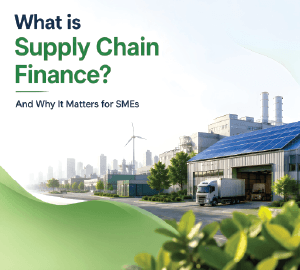
What Is Supply Chain Finance & Why It Matters for SMEs
Credit has acquired a reputation as a necessary evil for Indian SMEs. It’s like a burden of debt required to keep the lights and power of their business intact. However, green supply chain finance (SCF) has grown from a simple “loan” into a strategic financial tool for hyper-growth, thanks to the enforcement of RBI’s 2025 Digital Lending Directions and the maturation of platforms like TReDS.
Read More